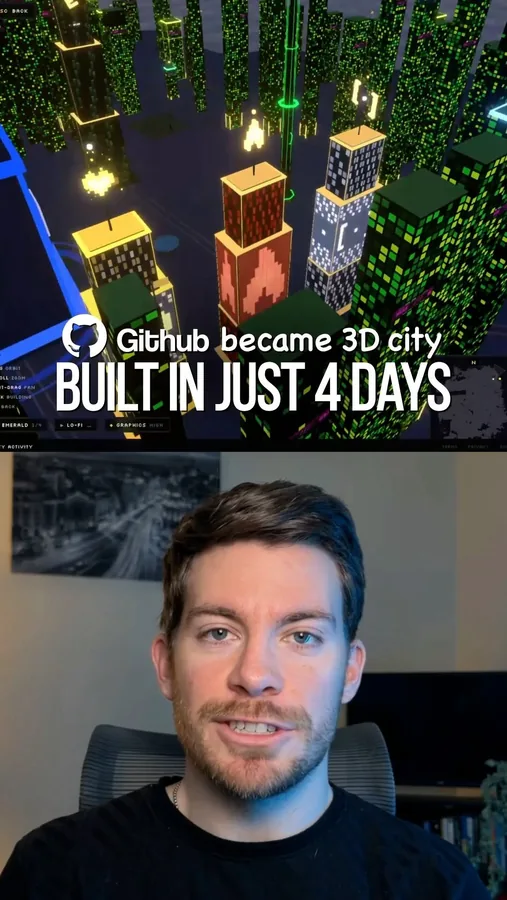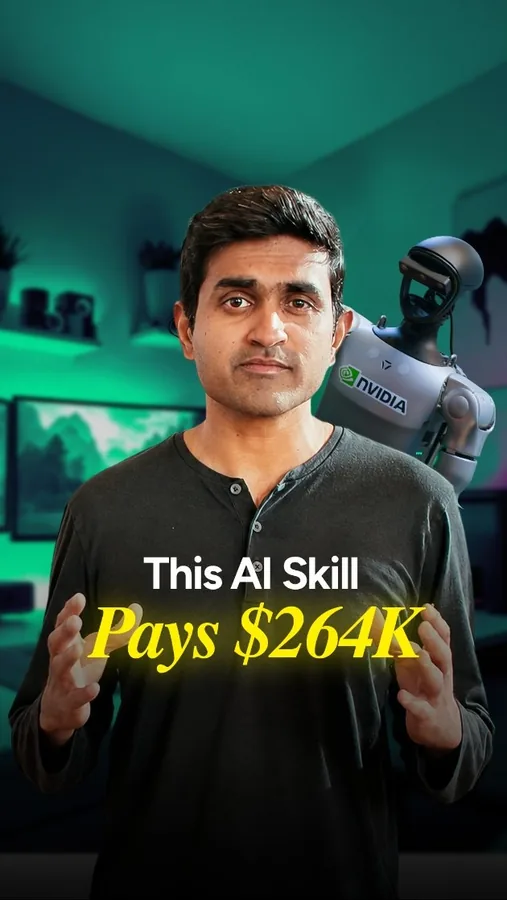

An AI avatar is a photorealistic digital human that speaks and presents on video — indistinguishable from real creators, but 100% controllable. They power a growing fleet of owned media channels: across 300+ active accounts publishing 18,000+ videos monthly, AI avatars now reach 800M+ viewers globally. This guide covers what they are, the types that work, how they're made, real business costs, and why brands are moving from renting sponsorships to owning channels.
An AI avatar is a photorealistic digital character that appears in video content, speaking and presenting as a branded personality would. Created from photos, video, or completely synthesized, the avatar preserves or embodies a consistent appearance, voice, and on-screen presence — and can be deployed across unlimited videos without fatigue, schedule conflicts, or creator risk.
The key distinction: a real avatar looks and moves like a human being. If you've seen a talking-head video in your TikTok or Reels feed, you've likely already watched an AI avatar without realizing it. Modern photorealistic avatars are indistinguishable from high-quality human video — the algorithm sees engagement and watch time, not authenticity.
This is distinct from the AI influencer concept. An avatar is the digital human character itself. An AI influencer is an avatar plus an audience, a posting rhythm, and a business strategy. You can own an avatar without running it as an influencer — for UGC, ads, or internal training. But to build a sustainable media channel, you deploy the avatar through an influencer framework.
Not all avatar formats perform equally on modern platforms. Here are the types actively generating revenue:
A single figure seated or standing, speaking directly to the camera, cut with b-roll inserts (screen recordings, product footage, real-world visuals). This is the dominant format. Why: it mirrors what human creators do, and audiences and algorithms treat it as native content. Our production data shows talking-head reels get identical reach curves to human creator content on TikTok, Reels, and Shorts — same watch times, same engagement multipliers.
The avatar moves through a scene: walking, gesturing, performing. Requires more complex animation but enables narrative formats (a character visiting locations, demonstrating products in context, acting out scenarios). Produces strong engagement for entertainment and education content; lower performance on pure talking-head feeds.
Used in live streams, webinars, and virtual events. The avatar responds in real time to audience input or shifts based on script cues. Computationally expensive but effective for customer engagement, support, and interactive content. Not yet mainstream for organic social reach.
A character that isn't modeled on any real person — a completely designed digital personality. Used heavily for brand mascots, product lines, and niche communities. Requires heavy animation work but removes any association with real individuals, sidestepping deepfake concerns entirely.
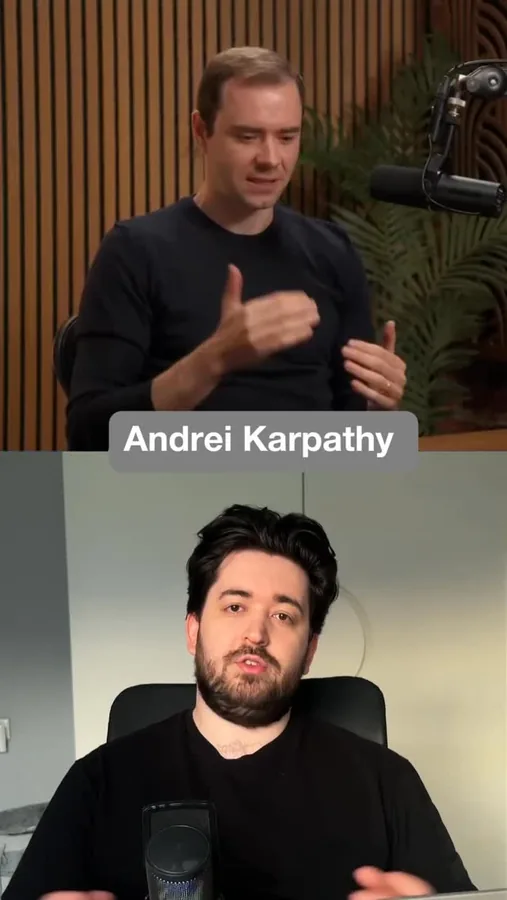
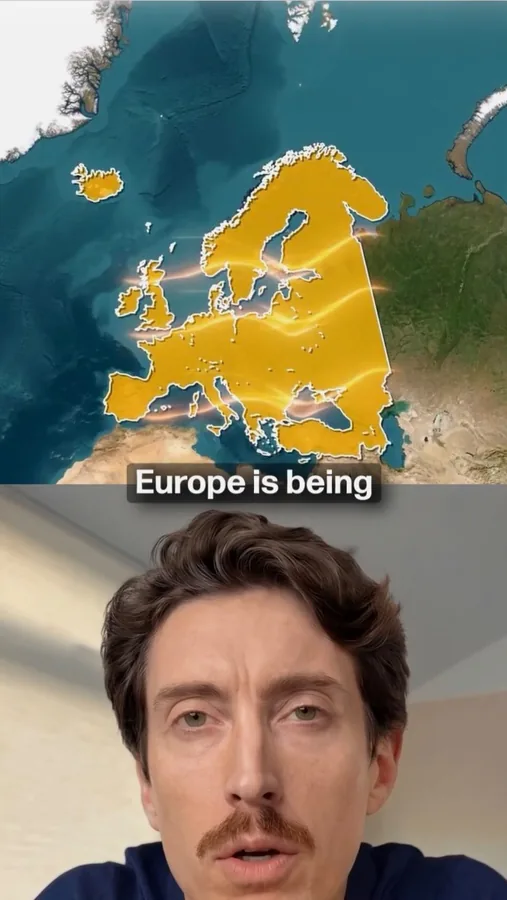
Avatar production has three stages: the character, the performance, and the voice.
Either photorealistic or synthetic. Photorealistic: A photo shoot (or 1–2 minutes of video) is processed through AI models to extract the face, body proportions, and distinctive features. The result is a 3D mesh that preserves the person's likeness. Synthetic: A custom character is designed from scratch — often combining traits from multiple reference photos or purely generative design. Either way, the output is a malleable digital identity.
A script is written, broken into sentences, and fed into a video synthesis engine. The engine animates the avatar speaking the script — lip-syncing, facial expressions, head movement, hand gestures. This is where "talking to camera" happens. The video is usually 30–90 seconds, then cut with b-roll, text overlays, and transitions. Modern engines produce nearly flawless lip-sync and natural head motion.
Two approaches: AI voice (text-to-speech, trained on the real person's voice or a chosen accent/tone) or human voice (an actor records the script, then the avatar is animated to match). AI voices are faster and cheaper; human voices sound more natural but require recording sessions. Most high-performing channels blend both — human voice for hero content (main channel videos) and AI voice for rapid iteration and A/B testing.
AI avatars work for any format where a human creator would. Here are the highest-return use cases:
Launch an avatar-driven account in a niche (e.g., productivity tips, finance education, wellness, tech reviews) and grow an audience over months. The account compounds — early months ramp slowly, but by month 4–6, algorithm trust kicks in and reach multiplies. The @ai.honeycove case (118K followers, 27M views, 2.78% engagement rate) shows the economics: months 1–3 cost $9K, months 4–6 reach breaks even, months 7+ become profitable as sponsorships and affiliate revenue kick in.
An AI influencer selling products natively (unboxings, reviews, styled tutorials) can convert viewers into buyers without a middleman influencer. The avatar IS the brand. Margins are higher because the channel is owned and repeatable.
User-generated content has become a top-performing ad format. AI avatars can generate thousands of on-brand ad variants (different hooks, pain points, angles) — each one A/B-tested cheaply before scaling. This is cheaper than hiring creators for every variation.
Training videos, compliance modules, sales enablement, webinar hosts. An avatar never calls in sick, never requires licensing, and can be personalized to any accent or language.
Newsletters, Discord communities, and membership sites benefit from consistent video content. One avatar can publish weekly or daily at scale, feeding a community's engagement loop.
Not all AI avatars look the same. Quality depends on four factors:
1. Photorealism of the character: Entry-level avatars can look "obviously synthetic" — uncanny valley territory. High-quality avatars are indistinguishable from real video on a mobile phone. This requires high-res source material (4K photos or video) and advanced 3D modeling.
2. Naturalness of movement and gesture: Poor avatars have jerky head movement, misaligned eye gaze, or stiff hand motion. Professional avatars move fluidly with micro-expressions that feel human-like. This is where the difference between $500 and $5000 avatar tools shows up.
3. Lip-sync accuracy: If the mouth doesn't match the audio, the whole illusion breaks. Modern engines get this right 95%+ of the time, but cheaper solutions still lag.
4. Editing and context: The avatar itself is only part of the story. The b-roll, transitions, color grading, text overlays, and pacing of the edit matter as much as the avatar performance. A mediocre avatar with great editing can outperform a perfect avatar with sloppy editing. This is why managed services (where humans edit every frame) outperform fully automated solutions.
Pricing in 2026 breaks down into three layers:
Services like Synthesia, HeyGen, and others let you generate avatar videos on-demand. Pros: cheap, fast, no setup. Cons: limited customization, lower quality, no strategy. Works for internal use and rapid testing. Not suitable for building public audiences.
This is the standard for serious brand channels. Includes: avatar character design/shoot (one-time: $2,000–$5,000), script writing (ongoing), video production (60 videos/month, edited by hand), publishing infrastructure (real devices, GEO compliance), and analytics. This is the managed avatar agency model. ROI typically breaks even at month 6–8 on a single channel.
Running multiple avatars across languages, niches, and geographies. Fixed costs amortize across channels; marginal cost per new avatar drops to $2,000–$3,000/month. This is where the economics become compounding.
This is the most common confusion. Here's the clean distinction:
Avatar: The digital human character. The asset. Can be a stock asset (available to anyone), a custom character (made for one brand), or a licensed personality. Think of it like a stock photo library, but photorealistic and animated.
AI influencer: An avatar deployed as a full operating system — consistent account identity, publishing schedule, audience engagement, niche positioning, sponsorship deals, and growth strategy. The avatar is the product; the influencer is the business model. See the full AI influencer definition and guide for more.
You can deploy the same avatar as a UGC asset for ads, a brand mascot for a website, and an owned-media influencer simultaneously. The avatar doesn't change; the strategy does.
Modern photorealistic avatars are virtually indistinguishable from high-quality human video when presented in the talking-head + b-roll format. The format is identical to what human creators use. Audiences evaluate it the same way: they watch for engagement, information, and entertainment value, not authenticity. Studies and real-world platform data show algorithms treat AI-made content the same as human content — reach depends on engagement and watch time, not deepfake detection.
Deepfakes and AI avatars are created differently. A deepfake (without consent) is a security/fraud tool. An AI avatar (with consent, transparently disclosed) is a business asset. Platforms distinguish these in their policies. Most brands do disclose: "This is an AI creator" in the bio or opening video. Audiences have shown they don't care about the distinction — they care about content quality. The case study avatar has never hidden its nature and consistently outperforms human creators in the same niche.
TikTok, Reels, YouTube, and Shorts all allow AI-generated content as long as it complies with broader content policy (no misinformation, no impersonation of real people). Some platforms encourage disclosure; none require it. The risk isn't platform enforcement — it's audience trust. Transparent AI-created content is treated normally. Deceptive content (AI pretending to be a real person or hiding its nature to spread misinformation) faces bans. If you're building a legitimate brand channel, disclose once and move on.
Typical ramp: months 1–3 are slow (100–1000 followers). Month 4–6 is momentum (1K–10K followers as algorithms begin to recognize the account as active/consistent). Month 7–12 is exponential if content is hitting (10K–100K followers or beyond). A single high-performing video can accelerate this. The @ai.honeycove case hit 118K followers in 5 months, but that's the high end — 30K–50K at 6 months is more typical for a well-executed niche.
Yes. An avatar is a reusable asset. If a niche or format isn't resonating, you can: pause publishing, pivot the content strategy (different format, different posting time, different hooks), redeploy the avatar to a different platform, or retire it entirely. The avatar is 100% yours if it's a custom build. This is why owned avatars beat renting sponsorships from human creators — you have full control over the channel and can optimize continuously.
Ready to launch an AI avatar for your brand? See how a managed avatar agency works, or book a call to discuss your niche, audience, and 30-day ramp plan.