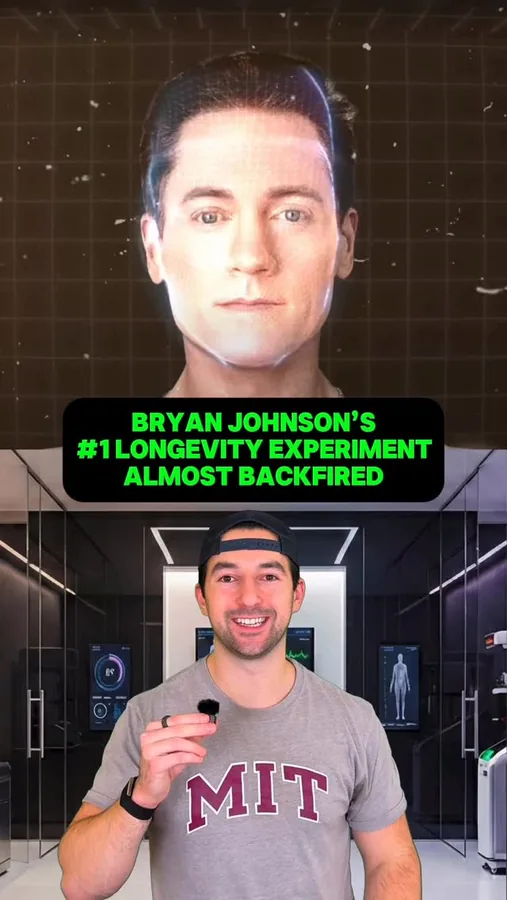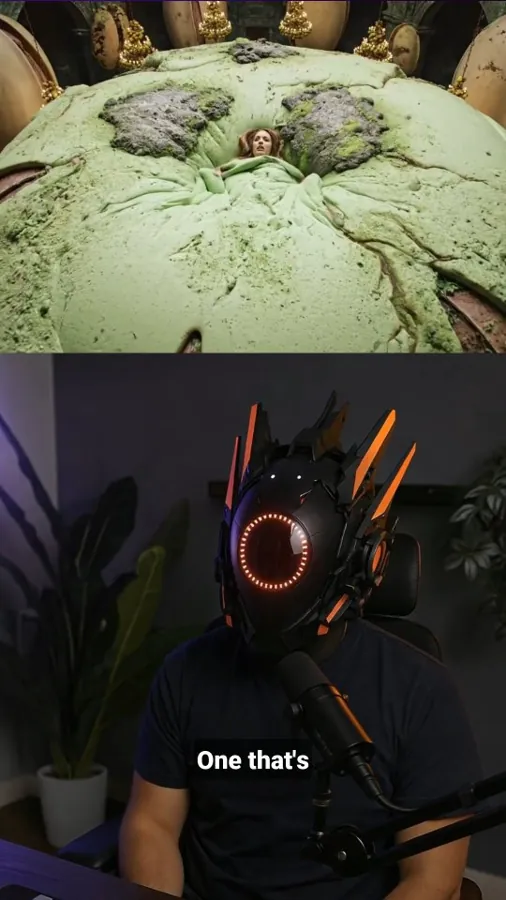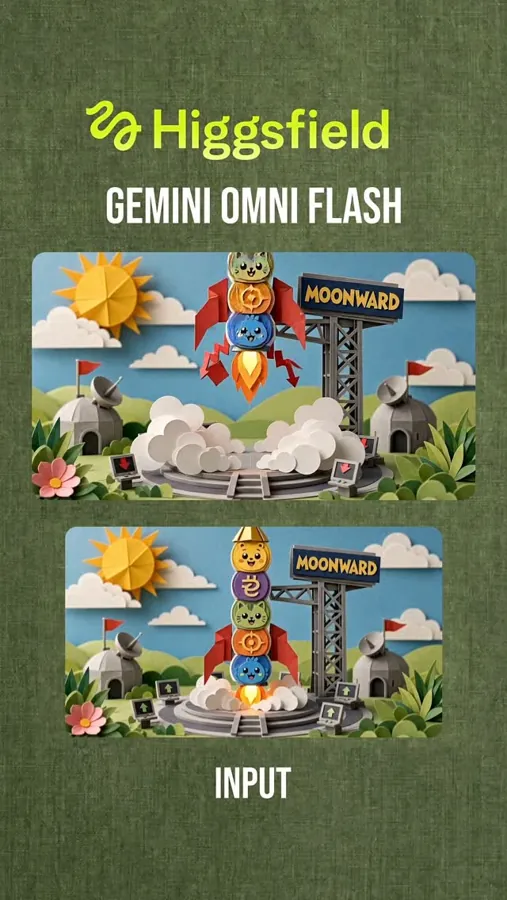
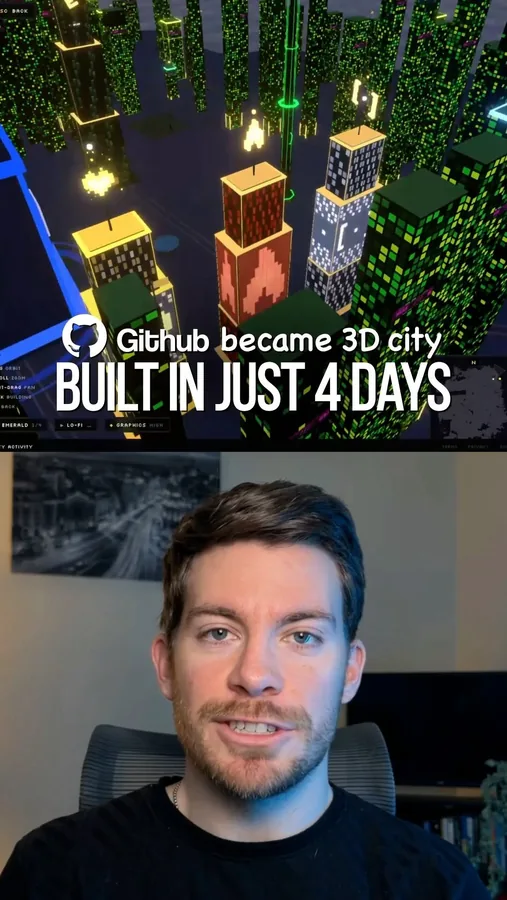
An AI influencer is a hyper-realistic talking-head avatar paired with curated b-roll footage, published as 60+ short videos monthly across TikTok, Instagram Reels, and YouTube Shorts. Unlike faceless graphics or fully automated accounts, AI influencers require manual editing, trend research, and organic audience growth—and they work. Case study: @ai.honeycove reached 118.1K followers and 27M views with 2.78% engagement in organic growth alone.
An AI influencer is fundamentally a social media account operated by a synthetic talking-head avatar—a hyper-realistic digital presenter who delivers scripted content with natural speech, expression, and body language. But that's only half the picture.
The complete definition includes three required components:
Compared to faceless-graphics accounts (text + captions, no person), AI avatars have a decisive edge: parasocial connection. Viewers form familiarity with the avatar over time, which builds loyalty and engagement. Organic reach on TikTok and Reels rewards this kind of personal connection.
The workflow is human-led, not automated. Here's how a typical AI influencer account operates:
Each week, a strategist identifies 10–15 trending topics relevant to the niche (fintech trends, real estate tips, fitness hacks, beauty tutorials, gaming reviews—whatever fits the brand). This isn't algorithmic; it's human curation. Tools like TikTok Explore, Google Trends, and niche-specific platforms guide the selection.
For each trend, a copywriter creates a 30–90 second script. The avatar will read this aloud. Scripts must be punchy, hook viewers in the first 2 seconds, and feel natural (not robotic). This is where the "influencer" voice emerges—consistent, opinionated, and authentic to the niche.
The script is fed into an AI video platform (like Heygen, Synthesia, or similar). The platform renders a video of the avatar speaking the script with realistic lip-sync, gestures, and facial expressions. The output is a 30–90 second "talking head" video.
The producer selects b-roll footage—screenshots, product demos, location footage, trend visuals—that illustrates what the avatar is saying. The b-roll comprises 30–90% of the final video. This is manual work: the producer watches the avatar video and hunts for complementary footage (stock, user-generated, or custom-shot).
The avatar video is overlaid with b-roll, cuts are synced to the audio, captions are burned in, color grading is applied, and titles are added. This is done in Premiere, Final Cut, DaVinci, or similar. Each video takes 20–40 minutes to polish. Batching 2–3 videos daily means 1–2 editors per account.
Finished videos are published daily to TikTok, Instagram Reels, and YouTube Shorts. For algorithmic legitimacy, videos are posted from real phones (one dedicated device per account), not bulk-upload tools. This signals to platforms that a real person is operating the account.
The result: 60 videos per month, each 15–60 seconds, each a complete narrative about a trend or niche topic. Growth is organic, driven by algorithm performance (CTR, watch time, shares) and consistency.
The comparison isn't "AI vs. human"—many accounts blend both. But here's the practical trade-off:
| Dimension | AI Influencer | Human Creator |
|---|---|---|
| Cost per video | $30–80 (script, render, edit) | $50–200 (talent, shoot, edit) |
| Consistency | 60+ per month, no sick days | 15–30 per month, subject to availability |
| Avatar fatigue | Low; avatar never gets tired | High; burnout is real |
| Parasocial connection | Builds over time, predictable | Authentic, but volatile (account takeovers, drama) |
| Organic reach | Proven (case: @ai.honeycove, 2.78% ER) | Depends heavily on creator charisma |
| IP ownership | 100% owned by brand; no creator rights | Shared or creator-owned |
| 24/7 availability | Yes; record and publish anytime | No; limited by human schedule |
AI influencers work across 10+ niches. The common thread: the niche can be explained, not just visualized.
AI influencers excel at narratives—formats where an avatar presents information or tells a story:
AI avatars perform poorly in formats that require:
The distribution strategy for AI influencers is platform-native and multi-channel.
TikTok: The algorithm is most favorable to AI avatars. Consistent posting (60+ videos/month) signals active creator status, and TikTok's algorithm rewards trends and educational content. Real device publishing (not bulk tools) is critical.
Instagram Reels: Similar algorithm to TikTok but slightly lower organic reach. Reels reward consistency and trending audio. Cross-posting from TikTok works, but native Reels shoots perform better.
YouTube Shorts: Growing but less competitive than TikTok. Shorts favor high watch-time and CTR. Monetization is available at 1K followers (lower barrier than TikTok).
Publishing is simultaneous: one video per day is rendered once, edited once, then posted to all three platforms. Platform-specific optimization (caption placement, aspect ratio, audio) is applied before publishing.
How do you measure if an AI influencer is working? Not by follower count alone.
The real ROI is downstream:
For a brand in fintech or real estate, AI influencers often cost $2,000–$8,000 per month and generate 5–15 qualified leads per month (depending on niche and traffic quality). This translates to a CAC of $130–1,600 per lead—competitive with paid ads and more scalable.
Several misconceptions persist about AI influencers. Here's what's real:
False. Trend research is manual. Script writing is manual. B-roll selection is manual. Editing is manual. Only the avatar video rendering is automated. The "AI" part (avatar) is a production tool; the "influencer" part (strategy, curation, consistency) is human-driven.
False. Case study proves this: @ai.honeycove grew organically to 118.1K followers and 27M views without paid promotion. Organic reach is the norm, not the exception, because consistent quality and trend alignment trigger algorithm distribution. Paid promotion is optional, not required.
False. A single avatar can narrate content across related niches (e.g., fintech, trading, investment tips). The avatar's "personality" is determined by the script and niche, not the visual face. Brands often run one avatar across 2–3 related niches to maximize content reuse.
False (mostly). Modern AI avatars are hyper-realistic. Most viewers don't notice or don't care—they engage based on content quality and trend relevance. Transparency is legally required (FTC disclosure rules), but the avatar format itself doesn't inhibit growth or engagement.
Partially true. Avatar design, account warm-up, and first video approval take ~1 week. The first 1,000 followers typically arrive within 30–60 days with consistent quality. Growth accelerates after 10K followers. So, rapid initial traction is possible, but significant reach (100K+) takes 6–12 months.
Not exactly. An AI influencer is a complete social media persona built on talking-head avatars, but the format includes manual b-roll editing, consistent posting schedules (60+ videos monthly), and organic audience growth. A single talking-head video is one piece of content. AI influencers are the full account experience: avatar + platform strategy + editorial curation + analytics.
AI influencers can and do go viral organically. Real case: @ai.honeycove reached 118.1K followers and 27M views with 2.78% engagement rate—all organic growth, no paid promotion. The strategy relies on trend research, consistent posting (60 videos/month), and algorithm-native formats (15–60s shorts on TikTok, Reels, YouTube Shorts). Some brands combine organic with paid to accelerate reach, but organic is the foundation.
Pricing varies by niche, production complexity, and posting frequency. A typical 60-videos-per-month account (managed avatar design, trend research, scriptwriting, editing, and publishing) ranges from $2,000–$8,000 monthly, depending on the scope. Setup includes avatar design, account warm-up (4 days), and initial content approval. See the AI Influencer Pricing Guide 2026 for detailed breakdowns by niche and volume.
An AI avatar is a hyper-realistic talking head—a person-like presenter who reads scripts and engages viewers with speech and expression. A faceless graphics account is no avatar at all: just text overlays, captions, or animated graphics (often called 'faceless' or 'automaton'). AI avatars build personal connection, require b-roll editing (10–70% of runtime), and perform better on platforms that reward authenticity. Faceless graphics scale faster but lack parasocial engagement and are oversaturated.
The industry standard is 60 videos per month (roughly 2 per day), published to TikTok, YouTube Shorts, and Instagram Reels simultaneously. This frequency signals to algorithms that the account is active and consistent. However, consistency matters more than raw volume—missing days breaks momentum. Some accounts start with 15–30 videos/month during warm-up and ramp to 60+. Quality matters too: poor edits or weak trend choices will stall growth regardless of frequency.