Master the essential terminology of AI influencer marketing. From hyper-realistic avatars and lip-sync to engagement rate and CPM, this glossary covers 40+ definitions across avatar tech, production, platforms, growth, monetization, compliance, analytics, and business operations—built on the practices of 300+ active accounts managing 18,000+ videos monthly.
The foundation of AI influencer content starts with the avatar itself. These terms define the technology, quality, and authenticity markers that creators and brands rely on.
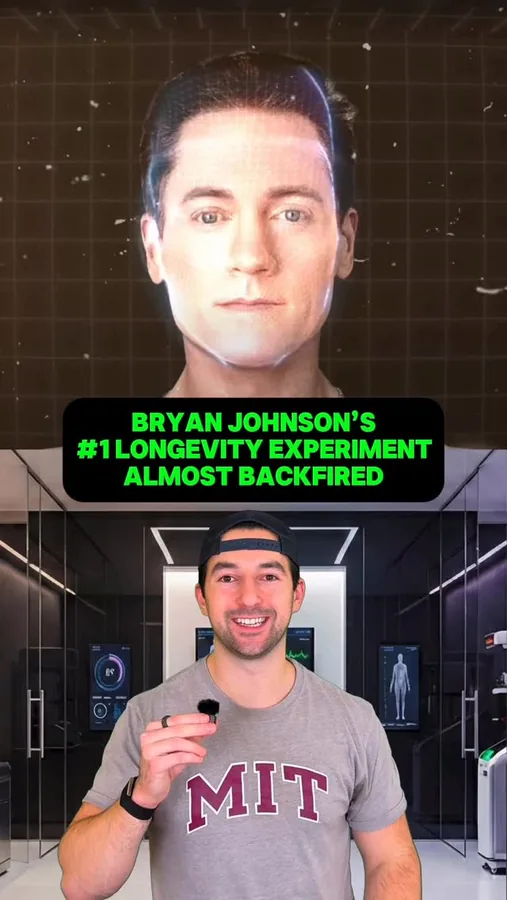
A synthetic AI-generated human character designed to look photorealistic on camera, with natural facial expressions, skin texture, and age-appropriate features. Unlike simplified animated characters, hyper-realistic avatars pass casual viewer inspection and are suitable for professional brand partnerships. Quality depends on training data, facial rigging, and rendering resolution.
The precise, real-time alignment of an AI avatar's mouth movements with spoken audio track. High-quality lip-sync (±10ms latency) is critical for viewer trust and platform algorithm favorability. Poor sync triggers viewer drop-off and damages content authenticity, reducing reach by 40-60% on TikTok and Shorts.
A synthetic video impersonating a real person's likeness without consent, typically used for misinformation or fraud. Distinct from AI avatars: deepfakes are non-consensual, often illegal, and harmful. AI avatars are intentional digital characters, fully disclosed, legally owned, and built with consent for legitimate commercial use.
An AI avatar shot from the shoulders up, speaking directly to the camera. The primary format for short-form AI influencer content (TikTok, Shorts, Reels), typically 10-30 seconds, with avatar occupying 30-90% of the frame while b-roll fills the remainder.
Design parameters applied during avatar creation—skin tone, age, hairstyle, clothing, accessories. Customization directly affects viewer connection and brand fit. A fintech avatar differs from a beauty brand avatar in styling, allowing for niche-specific authenticity.
Any video, image, or audio created or substantially modified by AI, including avatars, voice synthesis, lip-sync, and generated b-roll. Platforms and regulators now require disclosure of synthetic media; FTC rules (as of 2024) mandate prominent labeling when synthetic faces are used in advertising.
The mechanics of how AI influencer content is created, from script to publication. These terms reflect the industry-standard workflow.
A preparatory phase (typically 4 days) after account creation, before publishing the first video. Activities include profile optimization, bio/profile picture completion, draft posting in Stories, and algorithm priming. Accounts that skip warm-up see 30-50% lower first-video reach compared to properly primed accounts.
The specific process of signaling a new social account's legitimacy to the platform algorithm. Actions: complete profile, set posting cadence (e.g., 2 videos/day), follow 50-100 relevant accounts, engage with existing content. Warm-up reduces anti-spam friction and flags.
The written dialogue or talking points for the avatar to recite. Scripts are typically 60-120 words for a 15-30 second video. Quality scripts balance trend-relevance, brand messaging, and viewer retention, often incorporating a hook (first 3 seconds), value (middle), and CTA (end).
Brand-specific rules for avatar behavior, tone, and messaging. Example: "Never mention competitors," "Avoid political topics," "Prioritize product benefits over hype." Guidelines protect brand safety and ensure consistency across the fleet of accounts managed by an agency or brand.
Human review and editing of AI-generated content before publishing. Despite automation, manual curation—checking lip-sync, audio quality, message accuracy, and compliance—remains essential for professional-grade AI influencer output. ICG standard: 100% manual review pre-publish.
Secondary video, product shots, scenery, or graphics layered behind or alternating with the avatar's talking-head footage. B-roll serves multiple functions: reduces viewer boredom, contextualizes the message (product demos for unboxings), and improves platform algorithm ranking through visual diversity and engagement hooks.
The industry benchmark for optimal avatar-to-b-roll balance: 30-90% avatar and 10-70% b-roll per video. Platforms favor this split because it maintains host credibility while maximizing visual interest. Videos with <20% b-roll often underperform due to fatigue; >90% avatar risks seeming low-effort.
Text overlays (subtitles, key phrases, CTAs) rendered directly into the video file during editing, rather than added by the platform. Burned-in captions improve accessibility, increase retention (60%+ of viewers watch muted), and are essential for compliance in educational and healthcare content.
The governance process for reviewing content themes, accuracy, and brand alignment before publication. An editorial team flags factual errors, compliance risks, and off-brand messaging. For brands with strict regulation (fintech, healthcare), editorial delays can extend production timeline to 1-2 weeks.
The systematic analysis of trending audio, hashtags, formats, and topics on TikTok, Shorts, and Reels to identify high-velocity content opportunities. Tools include TikTok's Trend tab, Google Trends, and platforms like Substack Notes. Trend research informs 60-70% of successful AI influencer scripts.
The frequency and timing of content publication. ICG standard: 2 videos per day per avatar (60 videos/month), published at times matching target audience peak activity (typically 8-11 AM, 5-7 PM in audience timezone). Consistent cadence signals health to platform algorithms.
A requirement by some platforms (TikTok strict on bot-like behavior) to publish content from dedicated, human-proxied mobile devices rather than API endpoints. ICG uses one phone per account, posting through the native app, to avoid platform shadowbans and algorithm penalties.
Understanding how content spreads on major social platforms is essential to AI influencer strategy. Each platform has distinct algorithm and monetization rules.
TikTok's recommendation system prioritizes videos based on: watch time, rewatch rate, completion rate, engagement (likes, comments, shares), and account health (warm-up status, post consistency). Relative to YouTube and Instagram, TikTok's algorithm is most favorable to new accounts and organic growth, making it the primary platform for AI influencer launches.
TikTok's primary feed where algorithm-ranked videos appear. Getting featured on FYP requires >60% watch-through rate on first video, indicating quality signal to algorithm. A single FYP feature can generate 100K-1M views; viral videos on FYP often reach 10M+ impressions within 48 hours.
Instagram's short-form video product (15-90 seconds), integrated into the main feed and a dedicated Reels tab. Reels algorithm prioritizes videos from accounts the viewer follows + related-interest discovery. Reels are secondary to TikTok for pure viral reach but superior for brand integrations with existing followers and influencer partnerships.
YouTube's short-form video format (15-60 seconds), monetized through AdSense, revenue-share, and creator fund. Shorts algorithm favors watch-through rate and click-through to full videos. Shorts is the only major platform offering direct video ad revenue to creators, making it attractive for monetization-first strategies.
The total number of unique individuals who see a video at least once, whether through algorithm feed, follower timeline, or searches. Reach ≠ views; a video with 100K reach might have 250K views if some users rewatch. For AI influencers, organic reach is the primary KPI because paid reach lacks authenticity signals.
The total number of times a video is displayed on a viewer's screen, including rewatches and repeated feed exposures. Impressions are always ≥ reach. High impression-to-reach ratio indicates strong rewatch/viral coefficient; low ratio suggests low engagement.
The percentage of viewers who watch a video to completion (typically ≥80% watch time) relative to those who started watching. VTR is TikTok's primary engagement metric; videos with >60% VTR are promoted to FYP. A/B testing confirms that b-roll pacing, hook strength, and avatar expression significantly impact VTR.
The percentage of viewers who save a video to their library or collection. Saves signal high-value content to platform algorithms (weighted 2-3x more heavily than likes). AI influencers targeting educational or utility content (tutorials, tips) often see save rates of 5-10%, indicating strong audience intent.
The percentage of viewers who share a video to a friend, group, or another social platform. Shares indicate high virality potential and are a top signal for algorithm amplification. Videos with >3% share rate often reach viral status (1M+ views).
These metrics measure audience expansion and engagement quality, crucial for assessing account health and ROI.
Views generated by platform algorithms and user discovery, excluding paid ads. Organic reach is the primary indicator of authentic audience interest and account health. For AI influencers, 80-90% of reach is organic; paid amplification is minimal because algorithm favorability is high with quality content.
A user who has subscribed to an account to receive notifications and see content in their feed. Followers are a vanity metric for new accounts but valuable for retention and sponsorship deals. Average follower growth rate for AI influencers: 1-5% daily during first 30 days with consistent posting.
The percentage increase in followers over a time period (daily, weekly, monthly). For AI influencers, healthy growth is 1-3% per day in month one, declining to 0.5-1% daily by month three as account matures. Sudden drops (>20% weekly) indicate content quality issues or algorithm penalties.
The percentage of impressions that result in interactions (likes, comments, shares, saves). Calculated as: (Likes + Comments + Shares + Saves) ÷ Impressions × 100. Benchmark ER on TikTok/Shorts: 2-3% (standard), 5%+ (strong), >10% (viral). AI avatars typically achieve 2-4% ER, competitive with human influencers.
A mathematical measure of how much each viewer organically recruits new viewers (through shares, mentions, or virality). Viral coefficient >1.0 means each viewer brings more than one new viewer; <1.0 means content is self-limiting. Platforms target content with coefficient 1.5-2.0+ for algorithmic promotion.
The initial group of engaged viewers (often 100-500 early followers or strategic seeding to engaged accounts) used to jumpstart algorithmic distribution. High-quality seed engagement in the first 24 hours signals strength to the algorithm and increases FYP likelihood. AI influencers benefit from intentional seed strategies: inviting brand partners, micro-influencers, or existing audience members to view and engage early.
Psychological breakpoints (1K, 10K, 100K, 1M followers) that unlock platform features (monetization, features access) and attract sponsorships. AI influencers typically reach 1K followers in 5-10 days; 10K in 20-40 days; 100K in 60-120 days, depending on niche virality and content consistency.
The percentage of viewers who click on a link, button, or CTA in a video or bio. For AI influencers, CTR is critical for commerce and affiliate campaigns; typical CTR to affiliate links: 1-5%. Links in video descriptions perform better (2-8%) than links in bio (0.5-2%) because of friction.
Methods for converting audience reach into revenue for creators, brands, or agencies.
The revenue paid per 1,000 video views, typically $2-12 for short-form creators depending on niche, audience geography, and platform. CPM is the primary metric for AdSense (YouTube Shorts, Google ads) and platform fund payments. AI influencer accounts often achieve $5-8 CPM because algorithm quality and retention rates are competitive.
The revenue or cost charged per click on an ad or affiliate link. For AI influencers promoting affiliate products or affiliate campaigns, CPC ranges $0.50-$5.00 depending on product type (finance, real estate, saas = higher; general retail = lower).
The net revenue earned by a creator per 1,000 views, after platform take. RPM = (Earnings ÷ Views) × 1,000. For YouTube Shorts, RPM is typically 20-40% of CPM due to YouTube's revenue share. A video with 100K views and $5 RPM generates $500 revenue.
Native product placement or messaging within video content, disclosed to viewers. Example: an AI avatar for a fintech brand naturally discussing a featured product feature during a tip video. Brand integrations are non-skippable (unlike ads), often command premium rates ($1,000-$10,000+ per video depending on reach), and are more credible to audiences than banner ads.
A paid agreement between a brand and an AI influencer account (or agency) to create and promote content featuring the brand. Sponsorship rates depend on audience size (CPM-based: $0.50-$5 per follower), engagement rate, and niche. A 100K-follower fintech account might command $500-$2,500 per sponsored video.
Required legal statement (e.g., "#ad", "#sponsored", "Paid partnership") that informs viewers a video is funded by a brand. FTC rules (2024) mandate disclosure in text, voice, or visual format. Failure to disclose can result in FTC fines ($43,792 per violation) and platform account suspension.
A commission-based model where an AI influencer earns revenue for each sale, sign-up, or click generated through a unique affiliate link. Affiliate commissions range 5-30% of sale value. Example: an AI avatar promoting a SaaS product earns 20% commission for each new subscriber generated from their link.
Audiences pay a recurring monthly fee for exclusive content, early access, or community features. Platforms like Patreon, YouTube Channel Membership, and TikTok Creator Fund enable subscriptions. AI influencers with engaged, loyal audiences (education, entertainment verticals) can achieve $1,000-$5,000/month in subscription revenue with 1-5% subscriber penetration.
Video ads created by (or starring) non-celebrities promoting a brand to other audiences. "UGC ads" are short promotional videos ($50-$500 per video) used by e-commerce, SaaS, and DTC brands in social ads. AI avatars are increasingly replacing human UGC creators due to consistency, cost, and scalability advantages.
Platform-operated payment programs (TikTok Creator Fund, YouTube Partner Program, Instagram Reels Play) that pay creators based on video performance and audience engagement. Payouts are low ($0.02-$0.04 per 1K views on TikTok) but scale with volume. 100 videos × 100K views each × $0.03 CPM = $300/month baseline.
Standards and legal requirements ensuring AI influencer content is authentic, safe, and compliant with regulations.
The perceived genuineness of an AI influencer's message and presence. High authenticity signals include: consistent personality, transparent methodology, user testimonials, and genuine brand alignment. Low authenticity (robotic delivery, generic messaging) triggers viewer skepticism and algorithm penalties. AI avatars with natural lip-sync, conversational tone, and niche-specific styling achieve 85-95% authenticity perception in blind studies vs. human influencers.
Assurance that content aligns with a brand's values and won't damage reputation. Guidelines, manual curation, and editorial review minimize brand safety risks. Brands require brand-safety guarantees before partnership deals; violations (controversial statements, inappropriate context) can result in contract breach and legal liability.
Adherence to platform rules (Community Guidelines), legal regulations (FTC, GDPR, local advertising laws), and industry standards. Compliance violations result in account suspension, demonetization, or legal action. AI influencers require ongoing compliance monitoring for: disclosure accuracy, content moderation, data privacy, and regulatory guardrails.
U.S. Federal Trade Commission guidelines requiring disclosure when synthetic media (AI avatars, deepfakes) are used in commercial advertising. Disclosure must be "clear and conspicuous"—typically "#AI", "AI-generated", or similar text visible in video description or burned-in caption. FTC actively enforces; violations carry fines and potential class-action liability.
Technology (forensic analysis, behavioral biometrics, blockchain watermarking) designed to identify AI-generated or manipulated content. Platforms invest in detection to combat misinformation; high-quality AI avatars (hyper-realistic lip-sync, natural lighting) are difficult to detect but are transparently disclosed to avoid detection issues and legal risk.
Automated or manual screening to block content violating brand guidelines or legal requirements. Filters typically flag: violence, hate speech, adult content, misinformation, competing products, and prohibited topics. ICG uses a multi-layer filter: automated keyword blocking + manual editorial review + post-publish monitoring.
The overall status of a social account based on suspension risk, bot-like activity, community guideline violations, and audience authenticity. Healthy accounts see higher algorithmic reach; accounts with low health face reduced visibility, demonetization, or suspension. Warm-up, consistent posting, and quality content maintain account health.
Quantitative metrics used to measure content success and inform strategy optimization.
The percentage of viewers who watch a video to completion (or a specified point, e.g., 50% watched). High retention (60-80%) indicates strong content; low retention (<40%) signals pacing, hook, or relevance issues. Retention curves (graph of viewer drop-off over time) reveal where content loses engagement—critical for editing optimization.
The mean duration viewers watch before stopping or completing a video. For 30-second short-form videos, average watch time of 20+ seconds is strong. Watch time is weighted heavily by algorithms; videos with high average watch time receive 2-3x higher algorithmic promotion.
The percentage of viewers who take a desired action (sign-up, purchase, download, click link). Conversion tracking requires UTM parameters or affiliate links. Typical conversion rates: 0.5-3% for affiliate/e-commerce, 2-8% for SaaS trials, 5-15% for community/entertainment (engagement conversions). AI avatars achieve conversion rates competitive with human influencers.
The total revenue (or engagement value) generated by a single subscriber over their lifetime relationship with an account. For subscription models, LTV = (Monthly Subscription × Average Lifetime in Months) − (Customer Acquisition Cost). Maximizing LTV requires retention focus, not just growth.
Segmentation of audience by acquisition date, geography, or behavior to measure retention and lifetime value by group. Example: "Cohort acquired in June has 45% monthly retention; Cohort acquired in July has 38%." Cohort analysis reveals seasonal patterns and informs retention strategies.
Systematic comparison of two content variations (hook, pacing, b-roll style, CTA placement) to determine which performs better. AI influencer campaigns often A/B test: avatar expression (happy vs. serious), script tone (formal vs. casual), b-roll pacing (fast vs. slow). Results often show 15-40% performance deltas between variations.
A unified view of key metrics (reach, followers, engagement, revenue) across multiple AI influencer accounts. Dashboards enable real-time performance tracking, anomaly detection, and data-driven optimization. Effective dashboards surface top-performing content, underperforming accounts, and trend signals daily.
Organizational and strategic frameworks for managing AI influencer accounts and campaigns at scale.
Legal rights to avatar design, content, scripts, and audience data. Standard practice: 100% IP ownership by the brand or creator. Agencies hold IP only under explicit contract; most deals transfer IP post-completion. IP ownership clarity is critical for long-term brand value and exit scenarios (acquisition, licensing).
The day-to-day operations of a single AI influencer account: trend research, script creation, avatar performance review, audience engagement, crisis management. Professional account management requires 2-4 hours daily per account; agencies manage 50-200 accounts per operator using templated processes and AI assistance.
A collection of AI influencer accounts managed by a single agency or brand, typically across multiple niches or geographies. ICG operates 300+ accounts as a unified fleet, sharing best practices, trend research, and infrastructure. Fleets achieve economies of scale: per-account cost drops 50-70% vs. standalone accounts due to shared tools and editing staff.
The quality benchmark for published content. ICG standard: 60 videos per avatar per month (2 daily), with lip-sync accuracy ±10ms, professional audio mix, burned-in captions, and manual editorial review. Production standard directly impacts algorithm performance and sponsorship rates.
The frequency and timing of content publication (e.g., 2 videos daily at 8 AM and 5 PM). Consistent cadence trains the algorithm to expect new content and primes viewers to check regularly. Interruptions in cadence signal account degradation and reduce algorithm favorability by 30-50%.
A defined content category (fintech, beauty, education, entertainment, real estate, etc.) where an account specializes. Niche focus increases algorithm favorability because the platform can efficiently target the audience. Generalist accounts (all topics) see 40-60% lower engagement than niche-focused accounts.
The process of setting up a new AI influencer account from avatar design through first 10 videos. Typical onboarding timeline: Avatar design (3-5 days) → Account warm-up (4 days) → First video approval and publish (2 days) → Ramp to daily publishing (5 days) = ~14-21 days to full operational status.
The expansion of a single account from launch (0 followers) to maturity (10K-100K+ followers). Scaling curve depends on niche virality: education/lifestyle can reach 10K in 20 days; niche verticals (specialized B2B, regional) may require 60+ days. Successful scaling requires trend alignment, consistent posting, and audience feedback integration.
A multi-platform distribution strategy where a single video is published to TikTok, Instagram Reels, YouTube Shorts, and potentially Twitter/LinkedIn simultaneously. Account networks amplify reach: a video reaching 500K on TikTok, 200K on Shorts, and 100K on Reels = 800K+ total reach across three platforms from single content asset.
A deepfake is a non-consensual synthetic video impersonating a real person, often used for misinformation or fraud. A hyper-realistic AI avatar is an intentional digital character created for commercial use—fully disclosed, legally owned by the creator or brand, and built with consent. Avatars are purpose-built for content creation, not deception, and come with explicit FTC disclosures in commercial contexts.
The warm-up period (typically 4 days) allows the platform algorithm to understand the account's identity, settings, and posting cadence. Publishing content immediately can trigger anti-spam filters and cap initial reach. Priming the account with profile completeness, engagement signals, and draft posting increases first-video visibility by 30-50%, making warm-up a critical ROI driver.
Organic reach is the total number of viewers who see an AI influencer's content through algorithm distribution—not paid promotion or follower feeds alone. TikTok and YouTube Shorts heavily favor organic reach through their 'For You' and 'Shorts' feeds, which is why production quality, engagement metrics, and audience retention directly impact visibility and growth.
Engagement rate (ER) = (Likes + Comments + Shares + Saves) ÷ Total Impressions × 100. A 2-3% ER on short-form platforms (TikTok, Shorts) is benchmark-level; 5%+ is strong. For AI avatars, high ER signals authenticity to the algorithm and attracts brand sponsors, making ER a key metric for monetization readiness.
B-roll is supplementary footage (product demos, lifestyle shots, graphics) edited behind or alternating with the avatar's talking-head segments. Platforms favor videos with 30-90% avatar and 10-70% b-roll because it reduces viewer drop-off, signals editorial quality, enables product context, and improves algorithm ranking through visual diversity and engagement hooks.