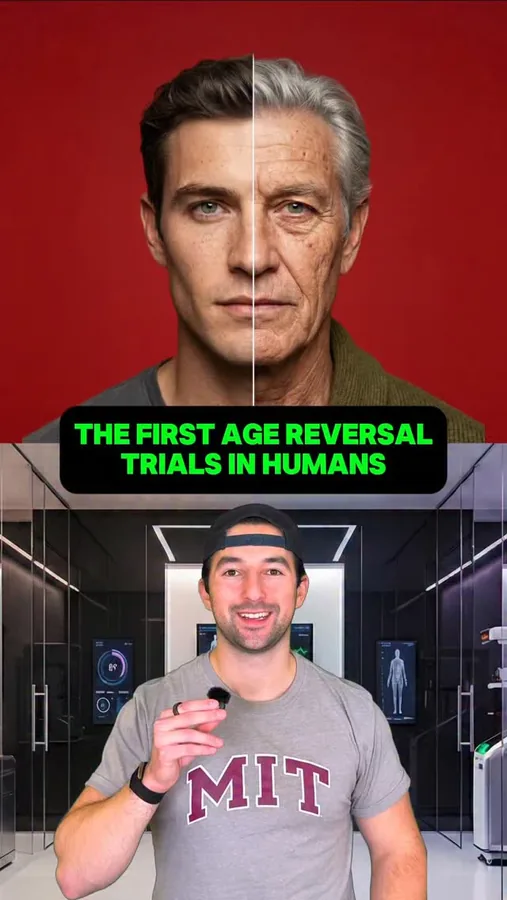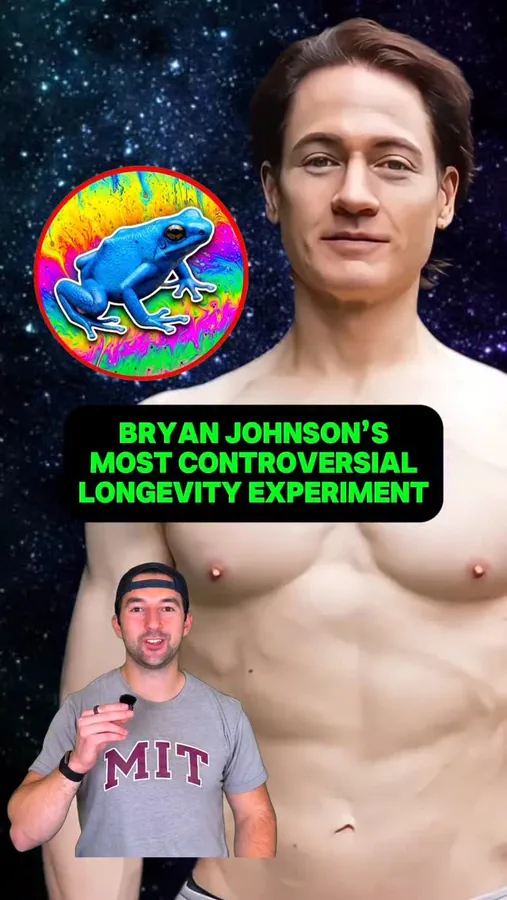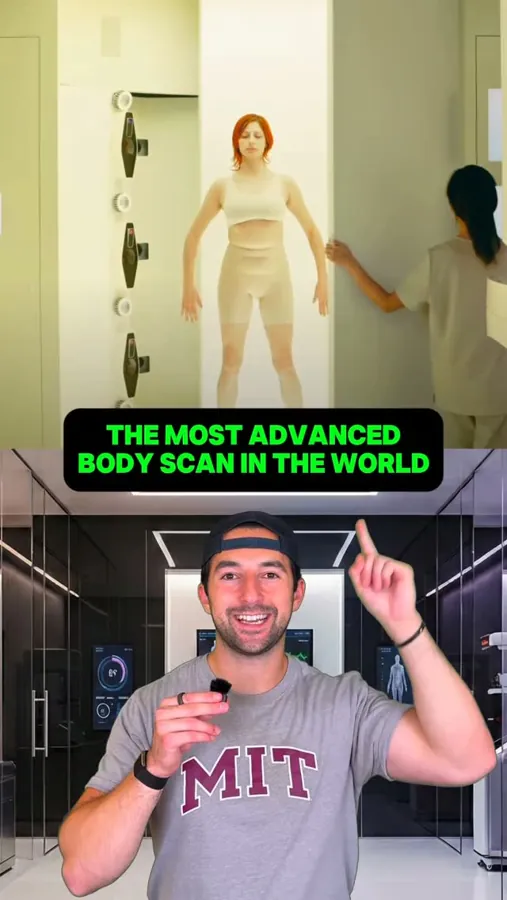

Mixing avatar screen time (30–90%) with b-roll inserts (70–10%) is the proven formula for short-form retention. Videos with heavy b-roll maintain 65–80% average watch time versus 40–50% for avatar-only content; the rule holds across all niches from SaaS to fitness to gaming.
The b-roll rule is a content architecture pattern: keep an AI avatar on-screen 30–90% of runtime while layering 70–10% b-roll (supporting visuals), to maintain viewer engagement and maximize retention metrics across TikTok, YouTube Shorts, and Instagram Reels.
ICG operates 300+ active accounts publishing 18,000+ videos monthly. Across all niches, norms hold: pure talking-head content under-performs. The moment you add cuts—product demos, close-ups, gameplay, transitions—watch time extends and shares increase. The rule captures why.
B-roll isn't filler. It's structural: your avatar delivers the message (constant narration), and b-roll proves it (visuals change every 5–10 seconds). This combination works because human attention operates on novelty—our eyes seek change. A face alone, even a hyper-realistic AI face, becomes static repetition. Add cuts, and the brain re-engages.
A single, on-screen talking head for 60 seconds causes measurable watch-time drop-off: 8–12% of viewers tap away after the first third. The psychology is simple: visual repetition triggers boredom.
Neurologically, our visual cortex is wired to detect change. A static face (even a perfectly lip-synced AI avatar) is not change—it's continuity. After 15–20 seconds, attention wanes unless the face itself moves (micro-expressions, hand gestures) or the background shifts. Most AI avatars sit still; their value is voice clarity and script delivery. So if you don't cut, you lose viewers.
This is why early YouTube tutorials flopped when a presenter just sat on camera. Successful tutors learned to screencast, show close-ups, change angles. Short-form platforms (TikTok, Reels, YouTube Shorts) formalized this: the editing is the content. Algorithms reward videos with 15+ cuts per 60 seconds. Pure talking-head content hits a ceiling.
The fix is cuts. Every 5–10 seconds, introduce a new visual layer. This forces the viewer's attention to reset and re-engage. It sounds simple because it is—but many AI avatar creators skip it because editing takes time and b-roll sourcing costs money. ICG doesn't skip it. That's why @ai.honeycove hit 27.03M all-time views.
B-roll isn't random clips. It's purposeful, tied to the script. Strategic b-roll falls into repeatable categories per niche.
SaaS / Product demos: Screen recording of the app, UI walkthrough, feature highlights, before/after results. The avatar introduces the problem and solution; b-roll shows the tool. Example: fintech avatar explains "This app rounds your purchases and auto-saves," while b-roll shows the app interface adding $0.37 to a savings account.
Fitness / Health: Workout footage, transformation clips, form corrections, equipment shots. Avatar cues exercise; b-roll demonstrates proper form. Example: avatar says "Start with incline push-ups," b-roll shows a 20-second clip of perfect form. No guesswork.
Beauty / Skincare: Product close-ups, application tutorials, before-and-afters, ingredient highlights. Avatar discusses benefits; b-roll proves them. Example: avatar discusses vitamin C serum; b-roll zooms on a bottle, shows it absorbing into skin, cuts to a before-and-after glow shot.
Food / Cooking: Dish shots, ingredient prep, cooking steps, plating detail. Avatar narrates flavor profile or recipe; b-roll shows the making. Example: avatar says "crispy edges are the secret," b-roll shows oil sizzling, edges browning, close-up of final texture.
Gaming / Esports: Game footage, ranked climbs, highlight plays, strategy overlay, menu navigation. Avatar explains strategy; b-roll shows execution. Example: avatar says "rotate after the gank," b-roll displays the minimap rotation and successful team fight.
Real estate / Travel: Property tours, walkthrough video, neighborhood b-roll, lifestyle montages, amenity close-ups. Avatar pitches the property; b-roll sells the lifestyle. Example: avatar sells a beachfront condo; b-roll cycles through bedroom, kitchen, balcony, beach sunset, pool.
The 30–90% avatar range is wide because niches have different rules.
| Niche | Avatar % | B-Roll % | Reasoning |
|---|---|---|---|
| SaaS / B2B | 10–20% | 80–90% | Viewers need to see the product. Avatar is voice; screen recording is proof. |
| Fitness / Health | 30–35% | 65–70% | Avatar builds credibility (face = trainer); b-roll shows correct form and results. |
| Beauty / Skincare | 40–50% | 50–60% | Avatar demonstrates application; b-roll shows product close-ups and results. Face matters for influencer trust. |
| Food / Cooking | 20–30% | 70–80% | Viewers came for food, not a face. Avatar narrates; b-roll is the dish, prep, plating. |
| Gaming / Esports | 10–20% | 80–90% | Gameplay is the content. Avatar explains strategy; b-roll is live gameplay, ranked, highlights. |
| Education / Course | 25–40% | 60–75% | Avatar teaches; b-roll demonstrates concepts, examples, worksheets, diagrams, slides. |
| Entertainment / News | 50–70% | 30–50% | Avatar personality drives engagement; b-roll is supporting clips, reactions, archive footage. |
| Automotive / Dealership | 15–25% | 75–85% | Avatar pitches; b-roll is vehicle walkthrough, features, test-drive, interior/exterior. |
The pattern is clear: high-demo niches (SaaS, gaming, automotive) favor 80%+ b-roll. Personality-driven niches (entertainment, beauty) favor 50%+ avatar. The rule adjusts to what the audience expects to see.
Across 300+ accounts and 18,000+ monthly videos, ICG data shows a consistent retention curve:
Avatar-only videos invert this. 95% at 0–15s, then drop to 60% by 30s, and 40–50% by 60s. No novelty triggers re-engagement.
The math: if you start with 1,000 viewers, a 70% b-roll video retains 650–750 by the end. Avatar-only retains 400–500. In algorithmic feeds (TikTok, Reels), watch-time completion is a ranking signal. Higher retention = more impressions. More impressions = exponential reach growth. This is why the b-roll rule scales.
B-roll effectiveness depends on audio sync. The avatar's voice is continuous—one narration track for 60 seconds. B-roll layers in visuals, but audio layers in proof.
Good practice: avatar voice (primary), b-roll ambience or SFX (secondary layer), trending audio or licensed music (third layer underneath). Example: avatar explains a stock market trade, b-roll shows charts ticking, licensed ambient music underlays the whole sequence, then a "cha-ching" SFX on the close-up of the profit realized. Three audio layers, one visual event. Viewers perceive depth and polish.
In TikTok and Reels algorithms, audio is a ranking factor. Trending sounds boost reach. But trending sounds are 15–30 seconds long. You can't run a 60-second video on one trending sound. Solution: avatar narration (original) + b-roll SFX (synced to cuts) + trending audio layered under part of the sequence. This maintains both originality (avatar voice) and algorithmic advantage (trending audio).
There's a counterintuitive finding: more b-roll editing makes AI avatars seem more authentic, not less.
Viewers unconsciously associate production quality with expertise. A pure talking-head video—even a perfectly rendered AI avatar—reads as "someone talking to a camera." That's low production. B-roll cuts, angles, close-ups, color grading, transitions, captions, and music raise it to "a broadcast video made by a professional." Broadcast = credible.
This is the authenticity paradox: the more you edit to hide the avatar's limitations (e.g., no background movement, no hand gestures), the more credible the avatar becomes. By filling visual space with demo footage, product shots, and lifestyle b-roll, you're saying, "This isn't about my appearance; it's about what I'm showing you." Viewers trust this framing. It feels editorial.
Contrast this with a pure talking-head avatar (70%+ avatar on-screen): viewers notice every micro-gesture, every jaw angle, every lip-sync micro-error. It invites scrutiny. B-roll distributes attention; viewers focus on the visuals and the voice, not the avatar's face. Paradoxically, hiding the avatar improves perceived authenticity.
B-roll isn't just a retention lever—it's a scaling lever. Reusable b-roll dramatically reduces per-video production cost.
ICG produces 60 short videos per month per account. Avatar rendering and lip-syncing is fast (minutes per video). Editing is the bottleneck: sourcing b-roll, color-grading, syncing, captions. But if you build niche-specific b-roll libraries, you reuse assets across videos.
Example: a fitness account has a library of "incline push-up form," "dumbbell curl mechanics," "HIIT montage," "before-and-after transformation," "ab definition close-up." Each video (60+ monthly) pulls from this library. The first video takes 6 hours (script, render avatar, shoot or license b-roll, edit, caption). The second video reuses 70% of the b-roll, so it's 2–3 hours. By video 30, you're remixing the same 5–10 clip sets with different scripts and music. Cost per video drops 70%–80%.
This is why scaling a fleet of AI accounts is possible. Avatar rendering scales linearly (more accounts, more renders). B-roll libraries scale exponentially (asset reuse). A SaaS account's screen-recording library is reusable across 100 videos. A food account's dish-shot library spans 60 videos. This is how ICG manages 300+ accounts: b-roll libraries do the heavy lifting.
Pure avatar talking-head content causes 8–12% watch-time drop-off after 60 seconds because viewers experience visual fatigue. B-roll cuts provide visual interest, demonstrate concepts, and maintain engagement by giving eyes something new to focus on every 5–10 seconds. Videos with 70% b-roll maintain 65–80% average watch time, while avatar-only videos drop to 40–50%.
The optimal range is 30–90% depending on niche. SaaS product demos use 10–20% avatar with 80% screen recording; fitness content shows 30–35% avatar with 65% b-roll; beauty tutorials use 40–50% avatar; food reviews 20–30%; gaming 10–20%. The rule: avatar narrates constantly, but visuals change frequently to maintain retention.
Yes, ICG uses stock b-roll alongside licensed music, sound effects, and custom content. Stock footage libraries (Pexels, Pixabay, licensed collections) provide cost-efficient, reusable assets. The key is matching b-roll to the niche and script context—product demos, tutorial steps, close-ups, gameplay clips, and nature footage all work when synced to the avatar's narration.
B-roll sources vary by niche: SaaS uses product screen recording and app UI demos; fitness uses workout clips and transformation montages; beauty uses product close-ups and application tutorials; food uses dish shots and ingredient preparation; gaming uses game footage and ranked clips. The pattern: pick 2–3 primary sources per niche, shoot or license enough to rotate, and sync 3–5 clips per 15-second segment.
The opposite. More b-roll creates an editorial, produced aesthetic that raises perceived quality—viewers unconsciously associate multi-angle editing, visual variety, and production polish with authenticity and expertise. Pure talking-head content reads as cheaper. B-roll + avatar narration creates a broadcast-quality feel that builds trust faster than avatar-only formats.