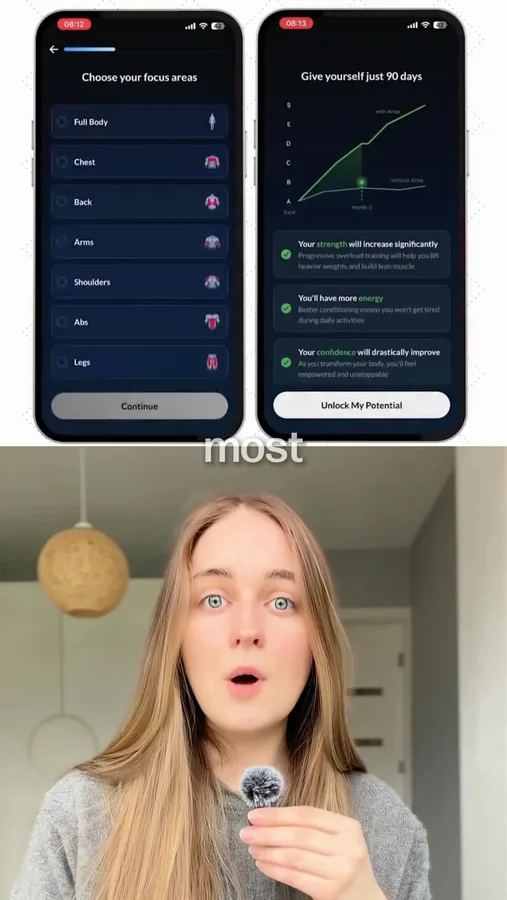
Fitness is one of the highest-engagement niches for AI influencers—with repeat viewers, strong supplement and app affiliate revenue, and authentic transformation stories that build community. A fitness AI avatar publishing 1–2 workout videos daily can generate 45% revenue from affiliate partnerships, 30% from sponsorships, and 20% from platform ads, with no talent overhead or scheduling conflicts.
Fitness content has the highest repeat-viewer rate of any short-form niche: viewers return to the same account 3–5x per week for motivation, form checks, and routine variety. Unlike entertainment or news, where viewers may consume one video and move on, fitness followers build relationships with their trainer-avatar and crave consistency.
AI avatars excel here because they remove scheduling friction. A real trainer can post 2 videos per day, 60 per month—that's production-grade output without talent fatigue or studio rental. A fitness AI avatar can go viral on its second week; ICG's accounts average 53.5K views per video after warm-up, with transformation niches hitting 100K+ on breakout videos.
Monetization is straightforward: supplements (Optimum Nutrition, MyProtein, Legion) offer 8–15% commissions; fitness apps (Apple Fitness, Peloton, MyFitnessPal) range 5–20%; meal-prep and protein brands average 10–25%. A mid-tier account (50K followers, 40K avg views) earning 45% from affiliates grosses $1,200–$2,500 per month. Add YouTube Partner revenue (20%) and sponsorships (30%), and a single avatar reaches $3,500–$6,000 monthly revenue—at scale, fleets of fitness avatars compound rapidly.
Fitness AI avatars need at least five core content types to maintain audience retention and drive affiliate conversions. Here's the breakdown:
No-equipment home exercises, 20-rep demos, or 5-minute routines compressed into shorts. These are high-volume, high-engagement content. Format: avatar demonstrates 1–3 exercises with music, burned captions showing rep counts and rest intervals. Affiliate hook: "Try this with [protein powder] or [pre-workout app]."
Deep dives into compound lifts: squats, deadlifts, bench press. Avatar narrates correct form, common mistakes, and modifications. B-roll alternates between avatar doing the movement and side-angle closeups of form. This builds trust and differentiates your avatar from generic fitness accounts.
Meal-prep tips, macro breakdowns, "foods to avoid" reels, supplement recommendations. Nutritionist avatars outperform trainer avatars in this space; combine with transformation testimonials. Affiliate partnerships with meal-prep services, protein brands, and macro-tracking apps fit naturally here.
Before-after reels featuring real user transformations. Avatar narrates the journey: "Started at 250 lbs, 6 months later…" with timeline graphics and progress photos. This is your highest-converting affiliate content—viewers see proof and click affiliate links immediately after. Transformation videos average 15–30% higher conversion rates than standalone workout tips.
Short mindset reels: "Why you're not seeing gains," "The one thing holding you back," "How champions stay consistent." These are lower production-friction content (mostly avatar talking to camera with minimal b-roll) and act as community glue. Use trending audio for algorithmic lift.
Your AI avatar's positioning determines credibility and monetization. Choose one primary archetype; your entire brand, tone, and affiliate partnerships flow from it.
Position your avatar as a certified personal trainer (e.g., "NASM-CPT, 10 years coaching"). Ideal for compound lifts, form breakdowns, and training programming. High trust in fitness audiences; attracts sponsorships from premium gyms and equipment brands. Downside: requires compliance disclaimers and wariness about injury liability.
Focus on macro breakdowns, meal prep, supplement recommendations. This archetype converts higher on affiliate links—viewers trust nutrition advice more readily than form tips. Attract brands: supplement companies, meal-prep services, macro-tracking apps. Lower liability than trainer positioning because you're not prescribing exercise.
Broader appeal; mix workouts, nutrition, lifestyle content (sleep, stress, recovery). Lower credibility ceiling than trainer or nutritionist, but higher versatility for brand sponsorships (athleisure, lifestyle apps, wellness gadgets). Best for growth-stage accounts; scale it later if needed.
For maximum monetization, combine positioning with audience demographics. A trainer avatar targeting men 18–35 outperforms with supplement and pre-workout partnerships. A nutritionist targeting women 25–45 converts better on meal-prep and wellness subscriptions.
Fitness video structure matters for both viewer retention and affiliate conversions. Use this proven template:
Script tone: conversational, motivational, specific. Avoid generic ("get fit today"); use concrete outcomes ("add 5 lbs of muscle in 12 weeks with this exact routine").
0–5s: Hook with before-after image. "This person went from 180 to 160 lbs in 90 days. Here's exactly what she did."
5–40s: Workout breakdown, nutrition habits, consistency tips. Avatar narrates over b-roll of the transformation journey.
40–50s: Testimonial quote from the transformer (if available) or avatar's insight. "The biggest win? She stayed consistent. Here's how."
50–60s: CTA to your affiliate link or free workout plan in bio.
AI avatars benefit from heavy b-roll integration—it increases perceived credibility and masks any avatar-specific artifacts. For fitness, b-roll is not decoration; it's proof.
Manual human editing—not automated—is critical here. Your team cuts b-roll to match avatar narration, syncs audio, adds motion graphics for stats and rep counts. See our full b-roll guide for short-form video for editing best practices.
Fitness avatars typically generate revenue in four buckets:
| Product Category | Brand Examples | Commission Range | Best Content Format |
|---|---|---|---|
| Protein & Supplements | Optimum Nutrition, MyProtein, Legion, Isopure | 8–15% | Post-workout shakes, recovery protocols |
| Fitness Apps | Apple Fitness, Peloton, MyFitnessPal, Strong | 5–20% | Workout routines, macro tracking, class reviews |
| Meal Prep & Nutrition | Factor, Freshly, Huel, NutraLite | 10–25% | Nutrition guide, time-saving meal prep |
| Wearables & Trackers | Apple Watch, Garmin, Fitbit, Oura Ring | 2–5% + referral bonuses | Recovery monitoring, workout tracking |
| Equipment | Amazon Basics, Rogue, Adjust Ball | 3–5% (Amazon) or 20–30% (direct) | Home gym setups, equipment reviews |
| ClickBank Fitness (high-commission) | Various fat-loss and muscle programs | 40–75% | Transformation testimonials, program reviews |
Diversify across 5–8 partnerships to avoid dependency on one program and to keep content fresh. Top performers rotate between 2–3 primary partnerships (Optimum Nutrition + MyFitnessPal + Apple Fitness) and supplement with seasonal partnerships (meal-prep services in January, recovery tools in summer).
Always disclose affiliate relationships in captions and pinned comments per FTC 2024 guidelines. Audiences trust transparent recommendations more than unmarked endorsements.
Fitness is the only niche where posting 1–2x daily is standard and sustainable. Here's why: your audience is in a training split or on a routine; they expect new workouts daily.
Post consistently to TikTok's algorithm; fitness community punishes inconsistency with algorithm suppression. Missing 2 days noticeably drops your view velocity. One fitness AI avatar skipping a week will see 30–50% engagement drop on return.
Pin a comment thanking your audience and linking to your free affiliate resources (meal-prep PDF, 7-day challenge guide). Reply to comments with motivational text and brief form corrections. Fitness followers convert to community members faster than other niches; nurture this by featuring user transformations (with permission) and hosting monthly challenges.
Transformation stories featuring real followers are your strongest community driver and highest-converting affiliate content. Target users commenting with before-after progress photos; repost their transformation with your avatar's narration and affiliate recommendations tailored to their journey.
Supplements (Optimum Nutrition, MyProtein, Legion) offer 8–15% commissions. Fitness apps (Apple Fitness, Peloton, MyFitnessPal) range 5–20%. Protein brands and meal-prep services average 10–25%. Top performers: Amazon Associates (3–5% but high volume), ClickBank fitness products (20–75% for high-ticket programs), and direct brand partnerships (15–30%). Meal-prep services are highest-converting because they solve a real problem for fitness followers—time and nutrition consistency.
Show transformations. Authentic before-after content builds trust and community engagement. AI avatars can narrate real user transformations, testimonial-style, or display consistent progress tied to the avatar's persona (e.g., 90-day journey toward a specific goal). Avoid generic; specificity (weight, timeline, exercises used) drives higher engagement and affiliate conversions. Transformation videos average 15–30% higher conversion rates than standalone workout tips.
Consistency, expertise, and transparency are key. Establish a certified trainer or nutritionist persona with documented credentials (even if the avatar is AI). Post daily with structured programming. Cite scientific sources, warn about form risks, and prominently feature community transformation stories. Disclose AI status in your bio and pinned comment per FTC 2024 guidelines. Fitness audiences value results and consistency more than perceived authenticity—if your avatar delivers workouts that produce transformations, trust follows.
Best formats: quick home workouts (15–30s, no equipment), form-correction reels for compound lifts, 60–90 second time-lapses of transformations, and nutritionist tips (30–45s). Trending music + burned captions boost engagement 30–50%. Series-based programming (30-day challenges, weekly themes) drive follower retention. Fitness niche shows 2.5x+ higher repeat engagement vs. general content. Transformation and testimonial formats convert 15–30% higher on affiliate links than standalone tips.
Yes, with disclaimers. Include on-screen form warnings ("consult a trainer before attempting"), link to liability waivers in bio, and cite trusted sources (ACE, NASM). Avoid prescriptive claims ("this will cure your back pain"). Teaching form safely is content; diagnosing or treating injuries is not. Position as educational entertainment. Review your content with a fitness compliance attorney for your jurisdiction. Most AI avatar platforms include liability clauses for fitness content; ensure yours does.
Before launching your fitness AI avatar, ensure you have:
Fitness AI avatars require more production work than entertainment or news niches, but the ROI is substantial. A fitness account reaching 100K followers in 6 months will generate $5,000–$10,000 monthly revenue from affiliate + sponsorships alone. See our case study on how @ai.honeycove built a 118K-follower health account to 27M all-time views and learn how this model scales to fleet management.